February 20, 2026
The way we live at home has changed dramatically over the past decade, and it’s only accelerating. Smart technology is no longer reserved for early adopters or tech enthusiasts—it’s becoming mainstream. In fact, according to Oberlo, 77.05 million U.S. homes are “smart homes” in 2025. That number alone shows just how quickly connected living is becoming the standard. As more households embrace automation, integrating security camera systems into the broader smart home environment is becoming one of the most practical and powerful upgrades a homeowner can make.
At its core, a smart home ecosystem connects devices like lighting, thermostats, locks, speakers, and cameras, so they communicate through Wi-Fi and centralized platforms. Instead of separate gadgets operating independently, everything works together. When security camera systems are integrated into this ecosystem, they become more than recording devices—they become active participants in your home’s safety and automation strategy. You can monitor activity remotely, receive instant alerts, and even trigger other smart devices automatically when motion is detected. It’s a shift from passive monitoring to active protection.
Smart homes also create a sense of awareness that traditional setups simply can’t match. Whether you’re upstairs putting the kids to bed or across the country on vacation, your home is always within reach. That constant connection provides reassurance that everything is running as it should, giving you confidence in both your technology and your overall security plan.
Understanding the Core Components of a Smart Home
To truly appreciate integration, it helps to understand what makes a smart home function. Most systems revolve around a central hub or platform such as Amazon Alexa, Google Assistant, Apple HomeKit, or Samsung SmartThings. Think of this as the command center. It allows your devices to “talk” to each other and gives you a single place to manage everything.
A strong Wi-Fi network is equally important. Since smart devices rely on connectivity, stable internet ensures smooth performance. Add in smart lighting, connected thermostats, door locks, and voice assistants, and you begin building a responsive environment. When security camera systems are added into this mix, they enhance not only safety but overall home awareness. For example, when a camera detects motion at your front door, your smart lights can automatically turn on, and your phone can receive an alert within seconds.
Compatibility is key. Not every device works seamlessly with every platform. Before selecting products, homeowners should confirm integration capabilities to avoid frustration. When everything is aligned properly, the system feels intuitive and effortless rather than complicated.
Choosing Compatible Security Camera Systems
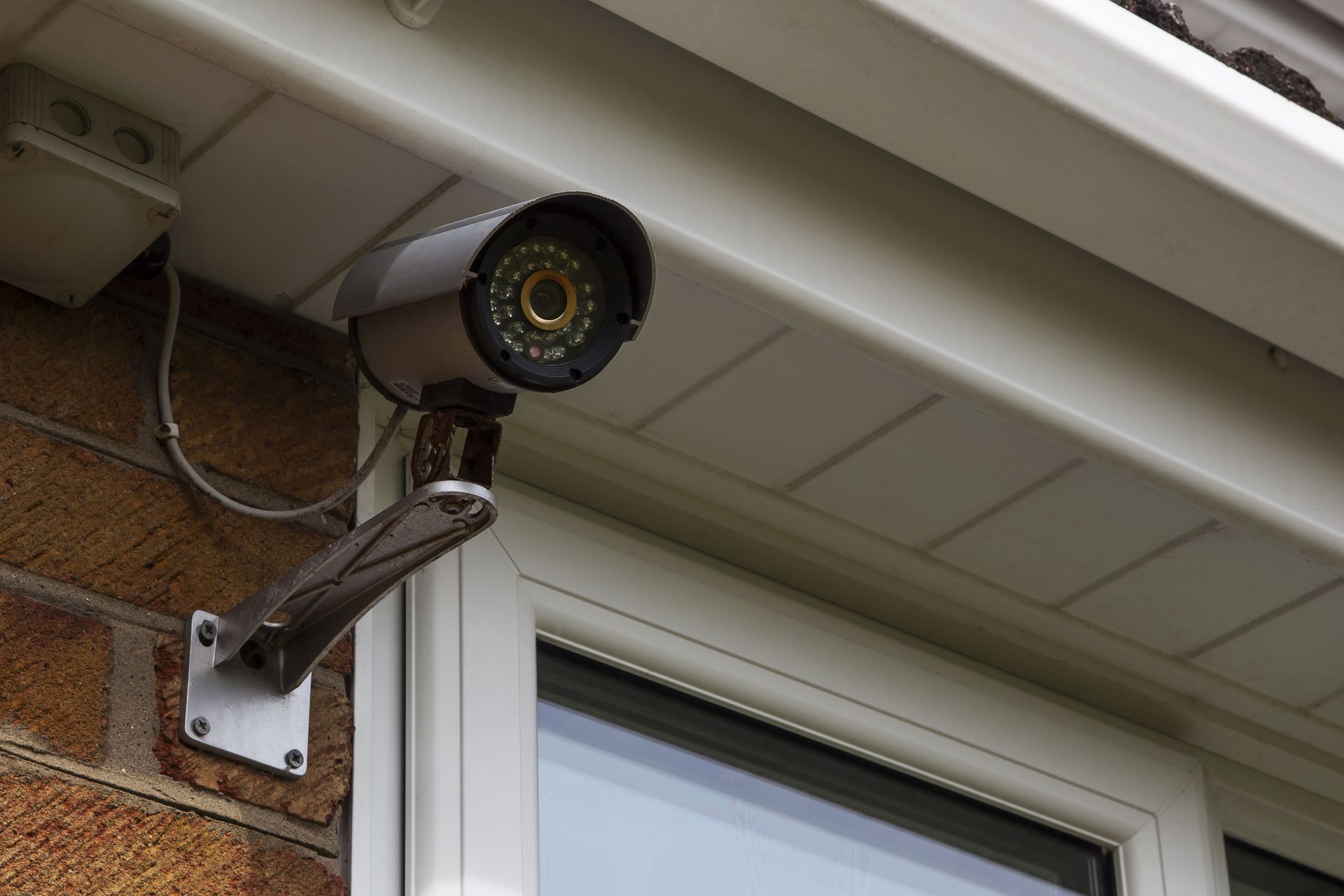
Selecting the right security camera systems involves more than comparing price tags. You want cameras that align with your smart home platform and your daily lifestyle. Indoor cameras monitor common areas, outdoor cameras protect entry points and driveways, and doorbell cameras provide real-time communication with visitors. Together, they create layered protection.
High-definition video, night vision, motion detection, and two-way audio are essential features. But integration capabilities are what truly elevate performance. Can you access live footage through your voice assistant? Will motion alerts sync with your smartphone and smart lighting? These are the details that transform cameras from standalone devices into cohesive components of your smart home.
Wireless options offer flexible placement and easier installation, while wired systems may provide more consistent connections. The choice depends on your home’s layout and personal preference. Ultimately, well-chosen security camera systems should feel like a natural extension of your connected lifestyle. Investing a little more upfront for reliable equipment can also save time and frustration down the road.
Integrating Devices for Unified Automation
This is where integration becomes exciting. Imagine your home responding automatically to activity. If motion is detected late at night, exterior lights illuminate instantly. If someone rings your doorbell, your smart speaker announces it while streaming video to your display. These interactions create a seamless, proactive security environment.
When security camera systems integrate fully, they reduce response times and increase awareness. You’re no longer waiting to discover what happened—you’re informed immediately. Remote access means you can check on your home from the office, while traveling, or even from another room. That flexibility brings comfort and confidence.
Automation also enhances convenience. You can schedule recordings, customize alert sensitivity, and create routines tailored to your habits. For example, cameras can automatically arm when you leave and disarm when you return. Over time, these small automations feel less like technology and more like a natural rhythm within your household.
Optimizing Placement for Maximum Protection
Even the best technology needs strategic placement. Outdoor cameras should cover main entry points like doors, garages, and ground-level windows. Position them high enough to prevent tampering and angled to avoid glare from direct sunlight. Indoor cameras should monitor common spaces while respecting privacy.
Reliable connectivity matters just as much as positioning. If your cameras are too far from your router, performance may suffer. In larger homes, mesh Wi-Fi systems or signal extenders can maintain consistent coverage. Strong placement ensures your security camera systems capture clear footage without interruptions.
It’s also wise to periodically review camera angles and coverage areas. Landscaping changes, renovations, or even seasonal décor can unintentionally block views. Taking a few minutes every few months to verify positioning keeps your system operating at peak performance and ensures your home remains fully protected year-round.
Leveraging Apps and Voice Control for Convenience
Let’s be honest—nobody wants complicated technology. Thankfully, most modern security camera systems are designed with user-friendly apps that simplify management. Through a smartphone, you can review footage, adjust motion sensitivity, receive push notifications, and communicate through two-way audio.
Voice assistants add another level of simplicity. With a quick command, you can display live feeds or arm your system. This hands-free functionality makes smart home security feel effortless. You remain connected without constantly navigating menus or settings.
Over time, these conveniences become second nature. Checking your cameras while away or asking your smart display to show the driveway feels as normal as turning on a light switch. That seamless access reinforces the everyday practicality of integration and encourages consistent use of your system.
Strengthening Security Through Smart Integration
When everything works together, your home becomes more than just connected—it becomes intelligent. Advanced security camera systems can distinguish between everyday activity and potential threats, reducing false alarms and delivering more accurate alerts. This precision allows you to respond appropriately without unnecessary stress.
Integration also supports layered protection. Cameras can coordinate with smart locks, alarms, and lighting systems to create a unified response. If unusual motion is detected, multiple systems can activate simultaneously, deterring potential intruders. This collaborative defense approach is far more effective than isolated devices operating independently. As smart home adoption continues to grow—remember those projected 77.05 million smart homes—integrating thoughtfully ensures your home remains current and secure. Technology evolves quickly, and integrated systems allow for updates and expansions without rebuilding your setup from scratch.
Bringing security camera systems into your smart home is about more than surveillance. It’s about creating a responsive, reliable environment where safety and convenience coexist. When integration is done right, it provides peace of mind that feels natural and unobtrusive, allowing you to focus on what truly matters—your family, your routines, and enjoying your home. If you’re ready to experience smarter protection and seamless connectivity, contact Planet Geek today and take the first step toward a safer, more connected home.